Friendlier on the wallet
In-season produce tends to be more abundant locally, which usually means fairer prices at the market.
Cooking with what is in season is the easiest way to eat better food more often. Here is a calm overview to help you shop and cook with the calendar.
In-season produce tends to be more abundant locally, which usually means fairer prices at the market.
Ripe seasonal ingredients need almost nothing — a little salt, a little olive oil, maybe a squeeze of lemon.
Shorter supply chains generally mean less storage, less packaging, and fewer miles between farm and plate.
Use this as a friendly guide rather than a strict rule. Local growing seasons vary across regions.
| Season | Vegetables | Fruits |
|---|---|---|
| Spring | Asparagus, peas, radish, spring onions | Strawberries, rhubarb, apricots |
| Summer | Zucchini, tomatoes, peppers, sweet corn | Stone fruit, melons, berries |
| Autumn | Pumpkin, squash, fennel, leeks | Apples, pears, figs, grapes |
| Winter | Cabbage, kale, root vegetables | Citrus, persimmon, kiwi |
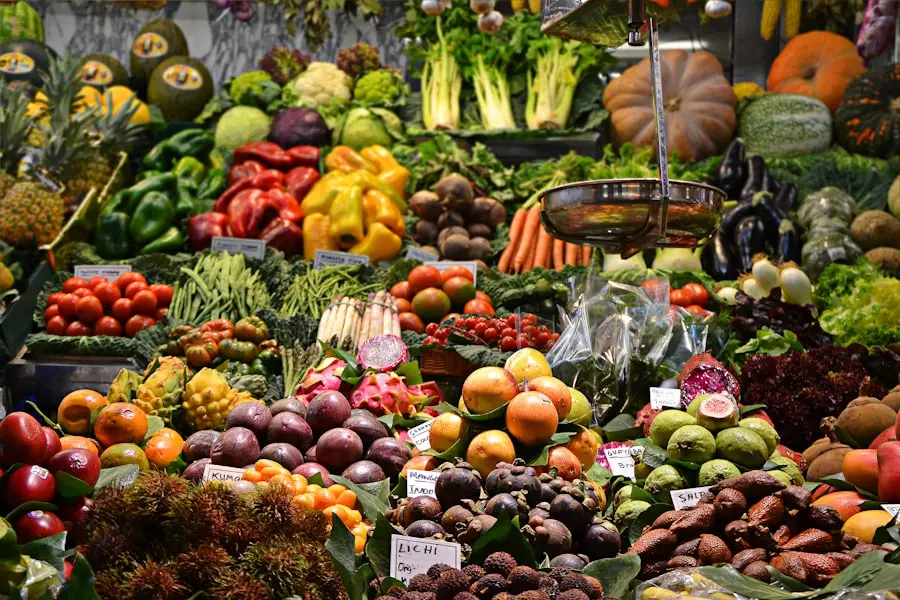
Walk the whole market once before buying anything. Notice what is abundant and what looks tired. Then return to two or three vendors with a clearer head.
Buy a single ingredient in slightly larger quantity rather than a little of everything. You will cook it more confidently and waste less.